SUP Yoga Safely: A Beginner’s Guide to Getting Started
Beginner’s Guide: How to Get Started with SUP Yoga Safely
Aloha, fellow water lovers and wellness seekers! Welcome to Supyogaworld.com, your ultimate resource for all things SUP Yoga. If you’ve ever dreamt of finding your zen on the water, basking in the sun, and connecting with nature in a truly unique way, then SUP Yoga is calling your name. It’s an incredible fusion of stand-up paddleboarding and yoga, offering a refreshing twist to your practice that challenges your balance, strengthens your core, and soothes your soul.
But like any adventure, starting your SUP Yoga journey requires a little guidance, especially when it comes to safety. As your passionate SUP Yoga instructor for today, I’m here to ensure your first foray onto the floating studio is not just exhilarating, but also secure and joyful. This comprehensive Beginner’s Guide: How to Get Started with SUP Yoga Safely will equip you with all the knowledge you need, from essential gear to basic techniques and crucial safety protocols. Let’s dive in!
The Allure of SUP Yoga: Why Float Your Practice?
Before we get into the nitty-gritty of how to get started with SUP Yoga safely, let’s take a moment to appreciate what makes this practice so magical. Imagine flowing through your favorite yoga poses with the gentle lapping of waves beneath you, the warmth of the sun on your skin, and the fresh air filling your lungs. SUP Yoga isn’t just about showing off your balance; it’s about:
- Enhanced Core Strength: The inherent instability of the board engages your deep core muscles constantly, even in simple poses.
- Improved Balance and Proprioception: You’ll quickly develop a keen awareness of your body in space.
- Deeper Mindfulness: Being on the water forces you to be present. One moment of distraction and… splash!
- Connection with Nature: There’s an undeniable serenity that comes from practicing amidst the elements.
- Reduced Impact: The water provides a forgiving surface, making it gentler on your joints than a hard floor.
- Fun and Adventure: It’s simply a joy to be out on the water, learning something new!
It’s an experience that nourishes your body, mind, and spirit. Now, let’s ensure we approach it with the right preparation.
Essential Gear for Your First SUP Yoga Adventure
Having the right equipment is paramount for a safe and enjoyable SUP Yoga experience. Think of these as your building blocks for stability and confidence on the water.
The Right SUP Board: Your Floating Studio
Not all paddleboards are created equal, especially when it comes to yoga. You’ll want a board designed with stability in mind.
- Width: Wider boards (32 inches or more) offer more stability, which is crucial for yoga poses.
- Length: Longer boards (10-11 feet) provide a larger platform for movement.
- Inflatable vs. Hardboard:
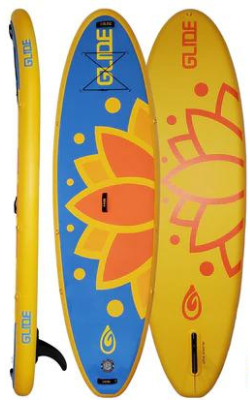
- Inflatable SUPs (iSUPs): These are fantastic for beginners! They’re generally more stable, softer on falls, easier to transport and store, and often more affordable. They have a slightly softer, more forgiving surface, which is great for yoga, like the iROCKER Cruiser Ultra (also on Amazon.es).
- Hardboards: Offer a very rigid platform and excellent glide, but are less forgiving if you fall, harder to transport, and can be more expensive. For starting out, an iSUP is often the best choice.
- Yoga-Specific Features: Some boards are designed specifically for SUP Yoga, featuring a full-length deck pad for better grip, extra D-rings for anchoring, and sometimes even paddle holders.
When you take your first SUP Yoga class at a certified center, boards will typically be provided, ensuring you have the optimal equipment for learning.
Paddle Power: More Than Just Propulsion
While your paddle will be tucked away during your yoga sequence, it’s essential for getting to and from your practice spot.
- Adjustable Length: An adjustable paddle (also on Amazon.es) is ideal, allowing you to fine-tune it to your height for efficient paddling. A good rule of thumb is that the paddle should be 6-10 inches taller than you when standing.
- Lightweight Material: A lighter paddle reduces fatigue, especially important for longer paddles to your yoga spot.
- When to Store: Once you reach your yoga spot, safely place your paddle on the board or alongside it, making sure it won’t interfere with your practice or fall into the water.
i>
Leash: Your Lifeline to the Board
This is a non-negotiable safety item! A leash connects you to your board, preventing it from floating away if you fall off. Imagine finishing a pose only to realize your board is drifting away – not ideal!
- Coiled Leash: For SUP Yoga, a coiled leash is generally preferred as it keeps the leash out of the water and prevents entanglement.
- Ankle or Calf Cuff: Both work, but ensure it’s securely attached and comfortable.
- Quick Release: Some leashes have a quick-release mechanism. Understand how it works.
PFD (Personal Flotation Device): Safety First!
Always have a PFD with you, even if you’re a strong swimmer. Depending on local regulations, you may be required to wear or at least carry one.
- Waist Belt PFD: Many SUP yogis prefer inflatable waist belt PFDs as they are less restrictive for movement during yoga. You inflate them manually if needed.
- Traditional PFD: A standard life vest is also perfectly acceptable, especially for those less confident in the water.
Your instructor will advise on PFD requirements and best practices for your specific location.
Appropriate Attire: Comfort and Freedom
Dress for comfort, movement, and getting wet!
- Swimwear: A comfortable swimsuit is your base.
- Quick-Dry Activewear: Layer with quick-drying yoga shorts, leggings, or a rash guard. Avoid heavy cotton that absorbs water and stays wet.
- Sun Protection: A wide-brimmed hat and sunglasses (with a retainer strap!) are excellent additions.
- Footwear: Most SUP Yoga is practiced barefoot, but water shoes can be useful for launching and landing in rocky areas.
Sun Protection and Hydration
- Reef-Safe Sunscreen: Protect your skin from harmful UV rays. Choose a reef-safe formula to protect aquatic ecosystems.
- Water Bottle: Stay hydrated! Bring a reusable water bottle, preferably insulated, to keep your water cool.
Before You Hit the Water: Pre-Practice Prep
Preparation on land is just as important as your practice on the water. These steps will set you up for success and safety.
Finding Your Perfect SUP Yoga Center
This is crucial for getting started with SUP Yoga safely. Look for centers with experienced, certified instructors.
- Supyogaworld.com is Your Go-To: We list the world’s largest directory of SUP Yoga centers. Use our platform to find reputable centers near you or at your vacation destination.
- Certified Instructors: Ensure your instructor has specific SUP Yoga certifications, not just regular yoga or paddleboarding. They understand how to adapt poses for the board and manage groups safely on the water.
- Beginner-Friendly Classes: Look for classes specifically labeled “Beginner SUP Yoga” or “Intro to SUP Yoga.”
- Equipment Rental: Most centers provide all necessary equipment, making it easy for you to try it out without investing in gear.
Understanding Your Environment: Location, Weather, and Water Conditions
SUP Yoga is deeply connected to nature, which means you need to respect and understand its variables.
- Calm Water is Key: Lakes, calm bays, slow-moving rivers, or protected ocean coves are ideal. Avoid areas with strong currents, boat traffic, or large waves for your first classes.
- Check the Weather Forecast: Wind is the biggest challenge for SUP Yoga. Even a light breeze can make balancing difficult. Check for wind speed and direction, potential storms, and water temperature.
- Understand Local Hazards: Be aware of any submerged obstacles, marine life, or other potential dangers in your practice area.
A good instructor will always prioritize safety by choosing an appropriate location and checking conditions.
Basic Swimming Ability is a Must
While you’re connected to your board, falling in is part of the fun! You must be comfortable in the water and able to swim at least 25 yards unassisted. This isn’t just about getting back on the board; it’s about being safe in case of unforeseen circumstances.
Warm-up on Land
Before you even touch the water, a gentle warm-up is essential. Prepare your muscles and joints for movement. Your instructor will guide you through this, but typically it involves light cardio and dynamic stretches.
Mastering the Board: Basics of Paddleboarding for Yoga
Before you can downward dog on water, you need to feel comfortable moving around on your board. These basic paddleboarding skills are fundamental to a safe SUP Yoga practice.
Getting On and Off the Board
The first interaction with your board sets the tone. Most beginners start by kneeling.
- From Shore: Place your board in shallow water. Kneel on the board, just behind the center handle, with your hands on either side for stability. Push off with your feet.
- From Water (Falling In): If you fall, swim to the tail of the board. Place your hands on the edges, kick your legs, and pull yourself up onto your stomach, then transition to kneeling. Practice this!
Finding Your Center (Literally): Board Stability
Your center of gravity is key to stability. Aim to keep your weight centered over the board’s carrying handle (the sweet spot for stability).
- Kneeling: Start here. It offers much more stability than standing. Keep your knees hip-width apart and your gaze forward.
- Standing (Optional for First Class): If you’re comfortable, transition from kneeling to standing one foot at a time. Keep a slight bend in your knees, engage your core, and keep your gaze steady on the horizon.
- Even Weight Distribution: Avoid leaning heavily to one side. Distribute your weight evenly.
Paddling Basics: Get to Your Spot
Your paddle is your transportation.
- Forward Stroke: Reach forward, immerse the entire blade, pull back alongside the board, and exit the water. Keep your core engaged and use your torso, not just your arms.
- Turning: Use sweep strokes (long arcing strokes) on one side to turn the board, or rudder strokes at the back of the board.
Anchoring Your Board
Once you reach your designated yoga spot, you’ll want to anchor your board to prevent drifting, especially in a group setting. Your instructor will provide an anchor or tell you how to connect to a communal anchor line. Ensure your anchor is securely set and won’t snag anything.
Your First SUP Yoga Poses: Starting Slow and Steady
When you’re first getting started with SUP Yoga, it’s all about gentle movements and adapting familiar poses to the floating surface. Don’t worry about perfect alignment; focus on feeling stable and connected to the board.
Grounding on Water: Seated Poses
These are excellent starting points to get comfortable with the board’s movement.
- Child’s Pose (Balasana): Kneel on the board, big toes together, knees wide. Fold forward, resting your forehead on the board. A fantastic pose for grounding and finding stillness.
- Easy Pose (Sukhasana): Sit cross-legged in the center of your board. Focus on your breath and the subtle movements of the water.
- Seated Forward Fold (Paschimottanasana): Sit with legs extended, reaching for your toes. The slight instability adds a new dimension to this stretch.
- Cat-Cow (Marjaryasana-Bitilasana): From a kneeling position, move through the gentle spinal flexion and extension, feeling the board beneath you.
Gentle Transitions: Kneeling Poses
Building a bit more balance while still having the security of your knees down.
- Kneeling Crescent Lunge: From kneeling, step one foot forward. Feel the stretch and the subtle challenge to your balance.
- Gate Pose (Parighasana): Extend one leg out to the side while kneeling on the other. A wonderful side body stretch.
Standing Strong (Eventually): Modified Standing Poses
Don’t rush into these! Your instructor will guide you when you’re ready. Modifications are key.
- Downward-Facing Dog (Adho Mukha Svanasana – Modified): Start on hands and knees, then lift hips. You might keep knees slightly bent or use a wider hand/foot stance for more stability.
- Warrior II (Virabhadrasana II – Modified): A classic standing pose, but on the board, you might keep your stance narrower or even start from kneeling, slowly lifting your torso. Your focus isn’t depth, but stability.
- Mountain Pose (Tadasana): Simply standing upright on the board, feeling the sway and finding your stillness. This is harder than it sounds!
The Bliss of Savasana on Water
Ending your practice in Savasana (Corpse Pose) on the water is an experience like no other. Lie flat on your back, letting the gentle rocking of the water lull you into deep relaxation. It’s often cited as the most rewarding part of a SUP Yoga class!
Prioritizing Safety: Key Tips for a Worry-Free Practice
Safety is the cornerstone of any enjoyable water sport, and SUP Yoga is no exception. Here are essential tips to ensure your experience is always worry-free.
Listen to Your Instructor
Your SUP Yoga instructor is your most valuable resource. They know the local conditions, the equipment, and how to adapt the practice for all levels. Follow their guidance implicitly regarding location, technique, and safety protocols.
Know Your Limits
There’s no pressure to perform. If a pose feels too challenging, unstable, or causes discomfort, modify it or rest. SUP Yoga is about connection, not competition. Listen to your body and respect its boundaries.
Embrace the Fall (and How to Fall Safely)
Falling in is not a sign of failure; it’s an inevitable and often refreshing part of SUP Yoga! It’s actually a wonderful way to lighten up and let go of perfectionism.
- Fall Away from the Board: Try to fall away from your board rather than on top of it, especially if it’s a hardboard, to avoid injury.
- Protect Your Head: If you feel like you’re going headfirst, tuck your chin to your chest and protect your head.
- Re-entry: Practice getting back on your board. The more you do it, the easier and less daunting it becomes.
Stay Hydrated and Sun Protected (Reiteration)
Even on cloudy days, UV rays can penetrate. Reapply sunscreen as needed, wear sun-protective clothing, and drink plenty of water before, during, and after your practice. Dehydration and sunburn can quickly ruin an otherwise perfect day.
Buddy System (If Not with a Class)
If you’re venturing out on your own (after gaining experience!), never paddleboard alone. Always go with a friend or let someone know your float plan, including your location and expected return time.
Emergency Preparedness
- Whistle: Attach a whistle to your PFD. It’s an effective way to signal for help.
- Dry Bag: Keep your phone, keys, and any other essentials in a waterproof dry bag that’s securely attached to your board.
- Basic First Aid: For longer paddles, a small waterproof first aid kit is a smart addition.
Beyond the First Class: Continuing Your SUP Yoga Journey
Your first SUP Yoga class is just the beginning! This practice offers endless opportunities for growth and enjoyment. As you gain confidence and skill, you might explore:
- Advanced Poses: Moving into inversions, deeper backbends, and more dynamic flows.
- Varying Locations: Exploring different bodies of water, from calm lakes to gentle river currents.
- SUP Yoga Retreats: Immersing yourself in multi-day experiences focused on wellness, nature, and community.
- Building Your Own Kit: Investing in your own board and gear once you’re hooked!
Remember, the journey is as beautiful as the destination. Each session on the water builds your strength, deepens your connection to nature, and enriches your spirit.
Conclusion: Your Adventure Awaits!
There you have it, future SUP Yogi! This comprehensive Beginner’s Guide: How to Get Started with SUP Yoga Safely has hopefully demystified the process and ignited your excitement. SUP Yoga is more than just exercise; it’s a unique blend of adventure, mindfulness, and physical challenge that leaves you feeling refreshed and empowered.
By understanding the essential gear, preparing properly, mastering basic board skills, starting with beginner-friendly poses, and always prioritizing safety, you’re well on your way to a blissful and rewarding practice. Don’t let fear hold you back – the water is waiting!
Ready to find your floating studio? Head over to Supyogaworld.com, the world’s largest directory of SUP Yoga centers, to find a certified instructor and a beginner-friendly class near you. Your serene water adventure begins now!
Frequently Asked Questions (FAQ)
Do I need previous yoga experience to try SUP Yoga?
Not at all! While some basic body awareness from yoga can be helpful, it’s certainly not a prerequisite. Many beginners come to SUP Yoga with no prior yoga experience. The focus in beginner classes is often on getting comfortable on the board, finding balance, and enjoying the unique environment. Your instructor will provide modifications for all levels.
Do I need to know how to paddleboard before my first SUP Yoga class?
It’s not strictly necessary, but being somewhat familiar with paddleboarding will make your first SUP Yoga class more enjoyable. Most beginner SUP Yoga classes will cover basic paddle strokes and how to get on/off the board. However, if you’ve never been on a paddleboard, consider taking a separate introductory paddleboarding lesson first to build confidence and basic skills, or choose a SUP Yoga class specifically designed as an “Intro to SUP & Yoga.”
What if I fall in during my SUP Yoga class?
Falling in is a natural and common part of SUP Yoga – embrace it! It’s often refreshing and helps you let go of perfectionism. All participants should be comfortable swimming and know how to get back onto their board. Your instructor will teach you safe re-entry techniques. The most important thing is to fall away from your board to avoid injury and then calmly swim back to re-board.
Is SUP Yoga suitable for all ages?
Generally, yes! SUP Yoga can be adapted for a wide range of ages and fitness levels. Children can participate if they are strong swimmers and can follow instructions, often starting on larger, more stable boards. For older adults, the low-impact nature of the water can be very beneficial, and poses can be modified for comfort and stability. As long as you have basic swimming ability and no major health concerns that would be aggravated by physical activity or being on the water, you’re likely a good candidate. Always consult with your doctor if you have any health concerns.
What’s the best weather for SUP Yoga?
The ideal weather for SUP Yoga is calm, sunny, and warm with minimal wind. Light to no wind is especially important, as even a gentle breeze can significantly impact board stability and make paddling challenging. Overcast days are also fine, as long as there’s no threat of storms or heavy rain. Your instructor will always monitor weather conditions and may reschedule or move a class to a more sheltered location if conditions are unsafe or too challenging.